FinOps X 2026 Day 1 Keynote: The Wild West of AI, Token Economics and the Evolving Role of FinOps
Andrew Nhem
June 9, 2026 - 10-minute read, 90-minute watch
KEY INSIGHT: Day 1 of FinOps X 2026 covered token economics and the rise of AI spend management, and the role FinOps and Tokenomics play in it. The intent to form the Tokenomics Foundation was announced with supporting organizations, uniting token users and suppliers to build open best practices and standards for AI billing. Practitioners from SAP, Prudential, and Shutterstock shared their journeys on capturing AI value, while Accenture, AWS, and Microsoft shared feature updates and where the practice is heading next.
Token Economics and the Evolving Role of FinOps
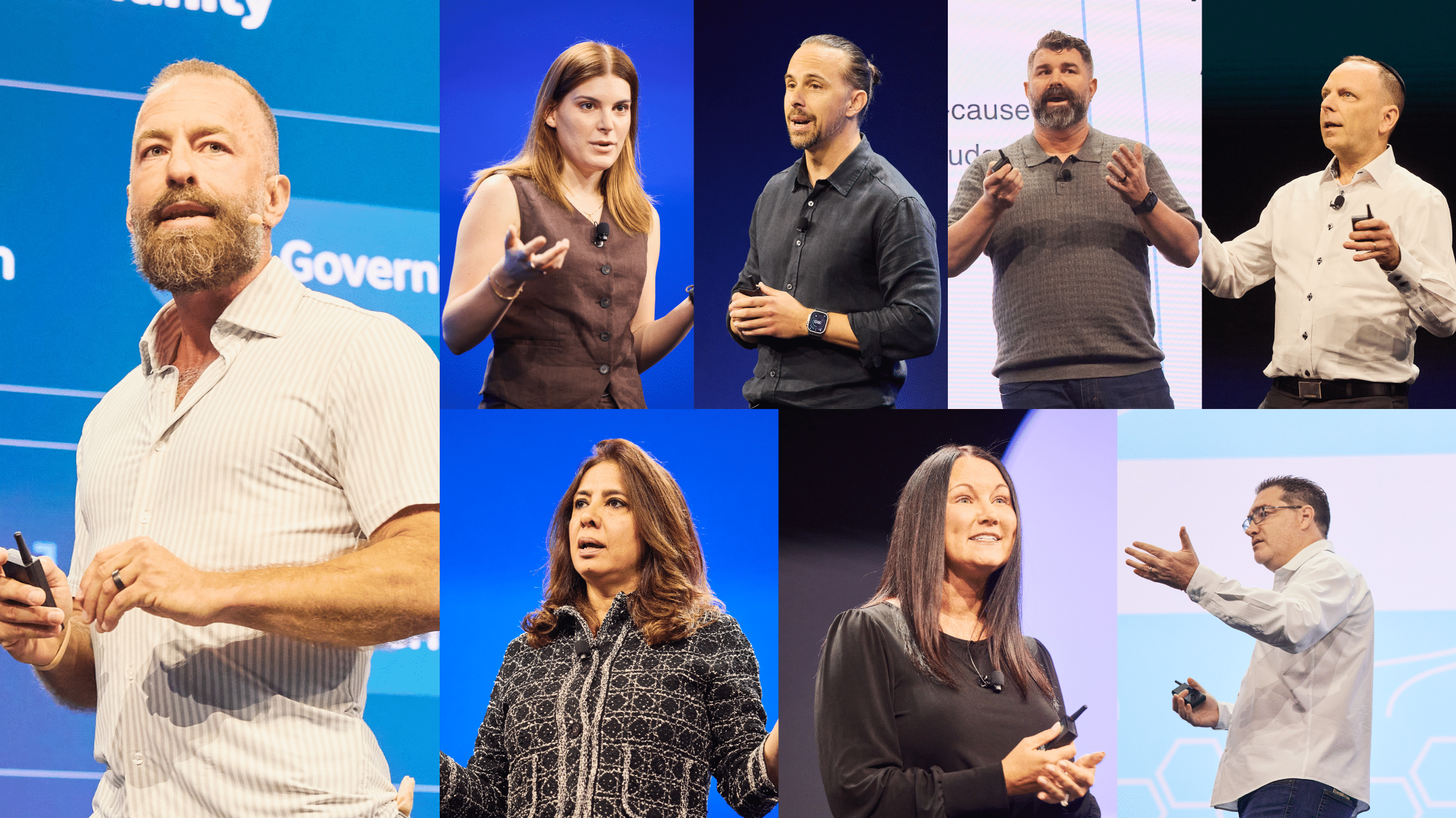
J.R. Storment, Executive Director of the FinOps Foundation, opened the keynote by discussing how tokens are the atomic unit of AI, and how the exponential growth of token usage and its variable cost creates new challenges for practitioners seeking AI value as investment rises and AI capacity potentially becomes more scarce.
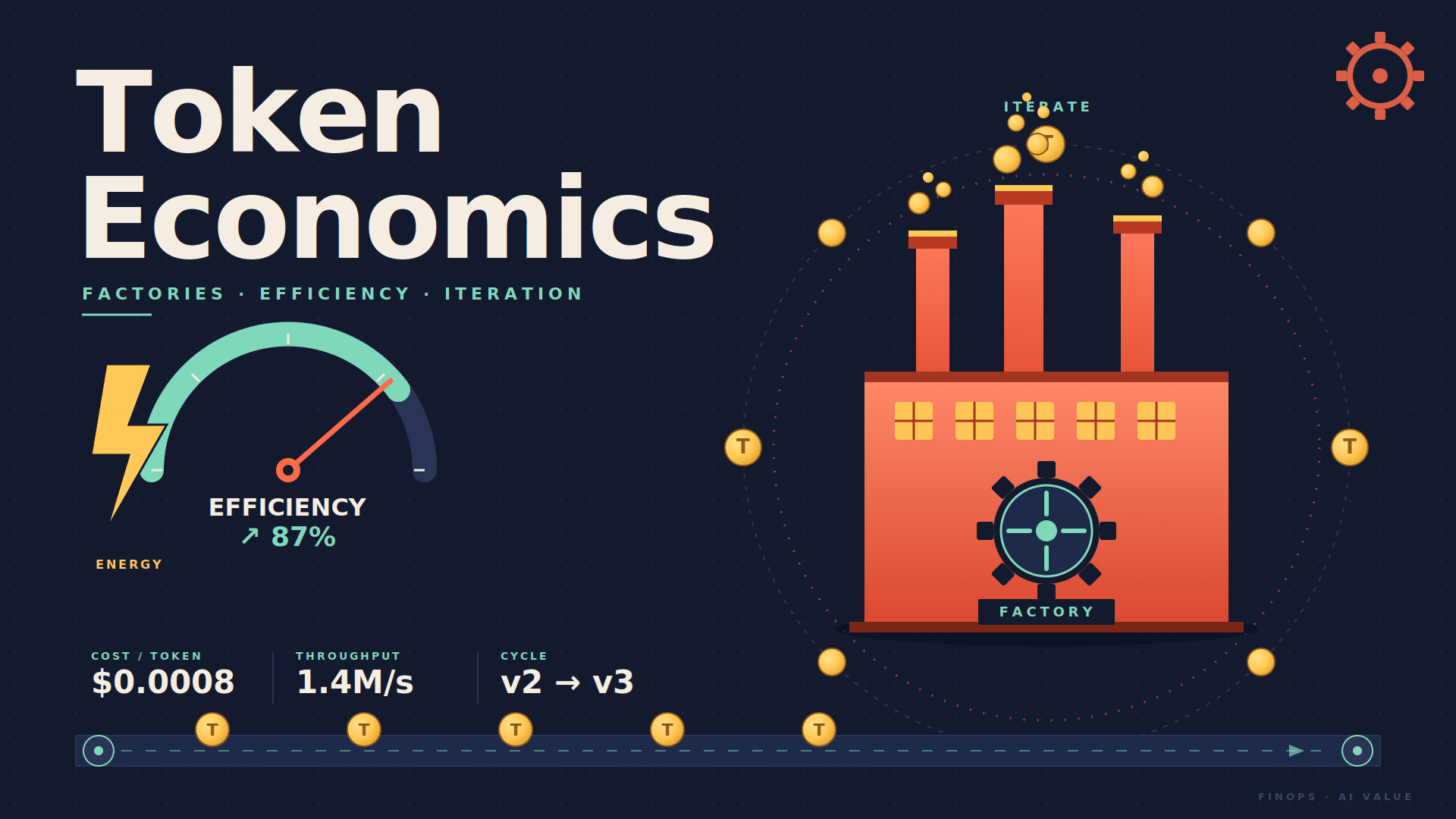
Token Economics, or Tokenomics, is the emerging discipline of converting energy and capital into AI tokens, then consuming those tokens efficiently to enable intelligence and drive value. Tokenomics gives FinOps practitioners a map for answering two challenging questions: what does AI actually cost, and what is the value of intelligence?
J.R. emphasized that Tokenomics is a conversation across the whole organization and there are a lot of unknowns to solve and the Tokenomic Foundation aims to bring clarity to it. The FinOps Foundation and Linux Foundation announced the intent to form the Tokenomics Foundation, common ground for practitioner and supplier minds to create open standards for AI billing. Early supporting companies include Oracle, Google, Microsoft, Accenture, Booking.com, Flexera, IBM, JPMorganChase, KPMG, Nebius, Salesforce, SAP, and ServiceNow.
SAP Brings FinOps to AI at Global Scale
Frederik Pohl, Head of FinOps and Data Solutions, and Maida Nazifi, Senior AI Scientist, both of SAP, showed how their team runs FinOps for AI at global scale. They walked through the metrics, the governance, and the hard-won lessons that came with it: a practical look at what it takes to operationalize this work inside a large enterprise.
Accenture Explores the AI FinOps Scope
Mike Eisenstein, Global Practice Lead at Accenture, reminded practitioners that they have already scaled cost and usage management across cloud, containers, and serverless. AI is no different, as long as practitioners expand into defining, measuring, and governing the cost of business outcomes in an AI-driven world.
FinOps does not just get a seat at the table. Practitioners help set the agenda.
Prudential Shifts Traditional FinOps into Agentic Economics
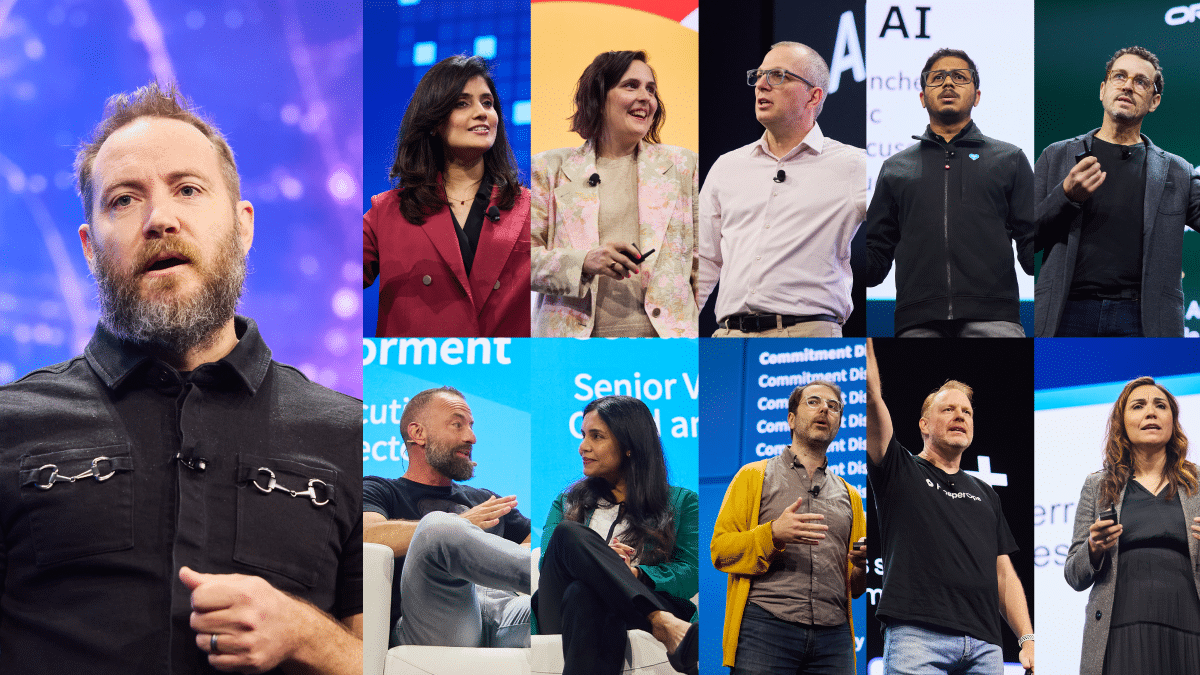
Pooja Kumar, VP of Cloud Strategy at Prudential, reminded attendees that even as AI adds technology complexity by the day, FinOps holds a strategic seat at the table. Traditional FinOps is now table stakes. Advancing the practice is critical, beyond shifting FinOps up and to the left (as she says, shift wild is the bet), in order for organizations to navigate AI value going forward.
AWS Enables FinOps to be Autonomous, Intelligent, Agent-First
Bradford Lyman, Director of Product Management at AWS, shared new features including Target Coverage for Savings Plans, Automatic Cost and Forecast Explanations, Additional Idle Resource Recommendations, Granular Cost Attribution for Amazon Bedrock, Credit Level Sharing, and Improved Credit Transparency.
He also talked about the AWS FinOps Agent and how it enables practitioners to use natural language queries, surface and distribute savings automatically, and scale safely with autonomous execution.
FinOps Certified: Technology Value and Simplifying FinOps Professional
The FinOps Foundation launched FinOps Certified: Technology Value, which covers the application of FinOps across key technology categories, like Public Cloud, SaaS, Data Cloud Platforms, and Data Center. To become a FinOps Professional, practitioners can now start with either FinOps Certified Practitioner or Engineer, and then become eligible for the Pro Certification by completing FOCUS Analyst, AI Value, and Technology Value. This incremental approach that builds knowledge and skills streamlines the path to becoming a FinOps Professional.
Shutterstock Shares Their Journey Towards AI Value
Courtney Totten, CIO/CISO & CTO at Shutterstock, shared the company’s journey applying FinOps to AI spend. She gave an honest view of what they have built in practice, including the decisions, trade-offs, and lessons that shape how they approach token economics.
Microsoft Brings Agentic Decision Intelligence to FinOps
Cyril Belikoff, Vice President, Commercial Cloud & AI Marketing at Microsoft, showed the community how to draw agentic decision intelligence from unified data with Microsoft Fabric and Foundry. Practitioners can now build intelligence across their enterprise, establish a unified data and AI platform, bring cost directly into the discipline, and optimize with confidence. Cyril also announced Microsoft’s plans to support FOCUS 1.4 in 2026.
The FinOps X 2026 Day 2 Keynote continues the conversation on AI and AI for FinOps and the practitioner’s role as the community takes on the challenges of managing AI spend.